If you read an official demographic report before boarding your flight, you might be confused. Statistical data often lists the majority of the population as non-religious or atheist. Yet, the moment you step out of the airport and check into your hotel, you will likely see a glowing red altar in the lobby. Walk down any street, and you will smell burning sandalwood incense and see locals placing fresh fruit in front of small shrines.
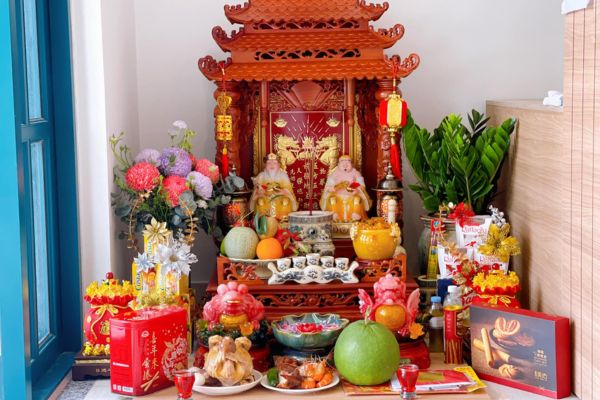
This visual contradiction brings up a very common question for travelers: What is the actual vietnam main religion?
The short answer is that spirituality here does not fit neatly into Western definitions of organized faith. The true vietnam main religion is a deeply ingrained, syncretic blend of indigenous practices, philosophical systems, and imported faiths. To truly understand the culture – and to travel through the country respectfully – you need to look beyond the statistics.
Here is your local guide to unpacking the spiritual landscape of Vietnam.
The Foundation: Ancestor Worship (Đạo Ông Bà)
If we define religion by daily practice rather than official registration, then Ancestor Worship is undeniably the vietnam main religion. It crosses all boundaries of geography, social class, and even other organized faiths. Whether a family identifies as Buddhist, Catholic, or non-religious, almost every home and business features an ancestor altar.
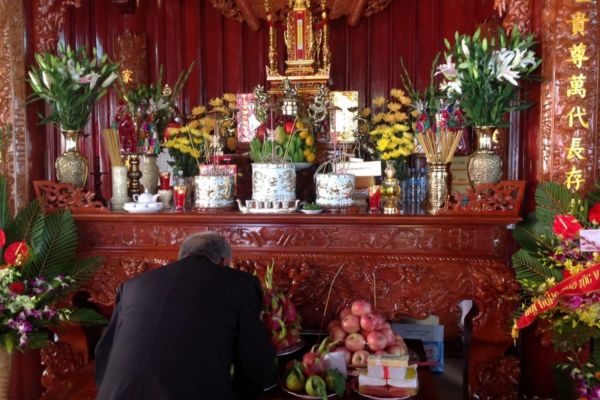
The core belief is simple but profound: death is not the end of a relationship. The spirits of the deceased remain present in the physical world to guide, protect, and bless their living descendants. In return, the living must provide for them.
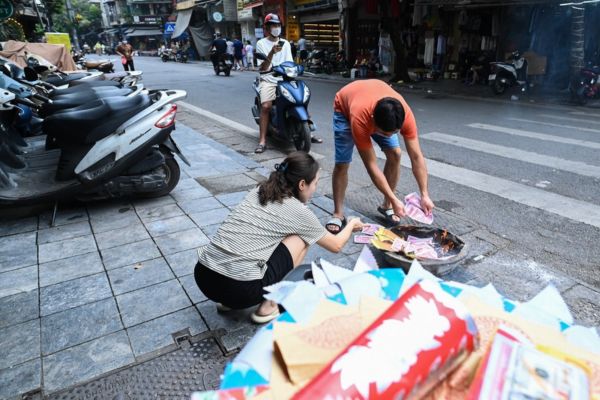
When you travel across the country, pay attention to the 1st and 15th days of the Lunar Month. You will see locals burning incense, offering fresh flowers, and even burning paper replicas of money, iPhones, and motorbikes. This is not superstition to them; it is a profound expression of filial piety. Understanding this practice is the single most important key to understanding the vietnam main religion in everyday life.
The “Triple Religion” (Tam Giáo): A Cultural Fusion
When historians discuss the structural vietnam main religion, they often refer to the “Triple Religion” (Tam Giáo). Over thousands of years, three major philosophical and spiritual systems blended together so seamlessly that most locals do not separate them in daily practice.
1. Buddhism (Phật Giáo)
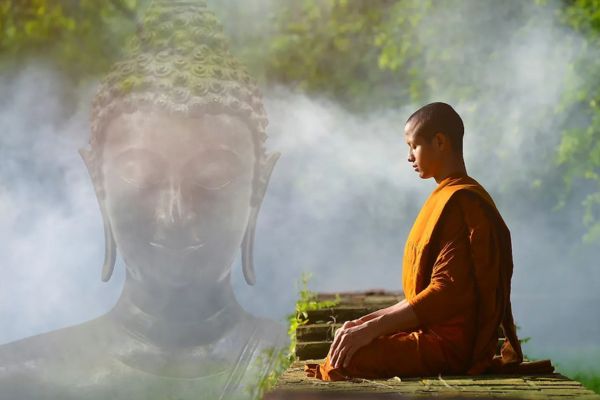
Mahayana Buddhism is the largest and most visible organized vietnam main religion. Introduced from India and China over two millennia ago, its influence is everywhere, from the architecture of ancient pagodas to the vegetarian diet (ăn chay) many locals adopt on full moon days. Unlike the strict monastic traditions seen in some neighboring countries, Vietnamese Buddhism is highly integrated into normal family life. People visit pagodas to pray for peace, health, and good fortune, especially during the Lunar New Year (Tet).
2. Taoism (Đạo Giáo)
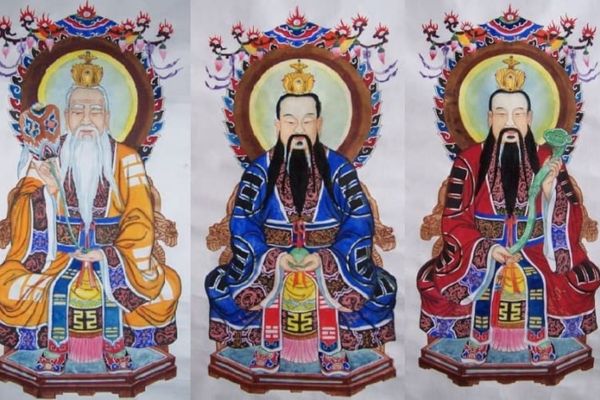
Taoism introduced the concepts of Yin and Yang (Âm Dương), harmony with nature, and the five elements. While rarely practiced as an exclusive religion today, Taoist principles heavily dictate Vietnamese architecture, traditional medicine, and even the culinary balance we discussed in local food guides.
3. Confucianism (Nho Giáo)
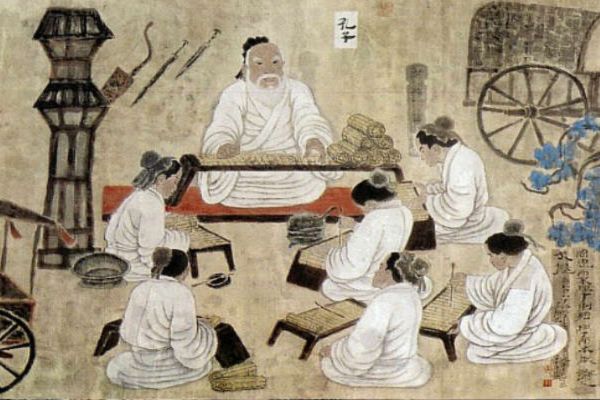
Though strictly a social and ethical philosophy rather than a spiritual vietnam main religion, Confucianism provides the societal backbone of the country. It emphasizes respect for elders, the importance of education, and strict family hierarchies.
Other Significant Faiths
While the “Triple Religion” dominates the North and Central regions, the spiritual map diversifies as you move South.
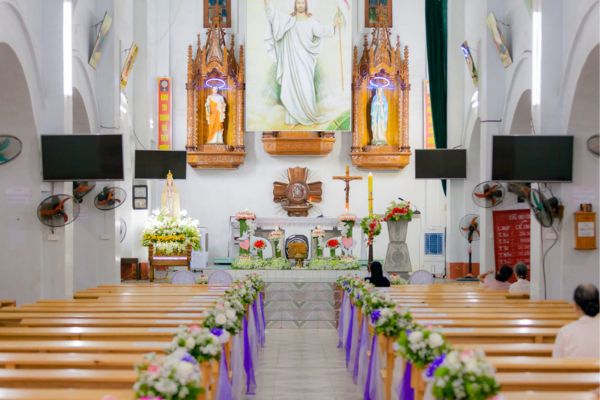
Catholicism: Brought by European missionaries in the 16th century, Catholicism is the second-largest organized faith in the country. The legacy of this is highly visible in the stunning architecture of the St. Joseph’s Cathedral in Hanoi and the Notre-Dame Cathedral Basilica of Saigon.
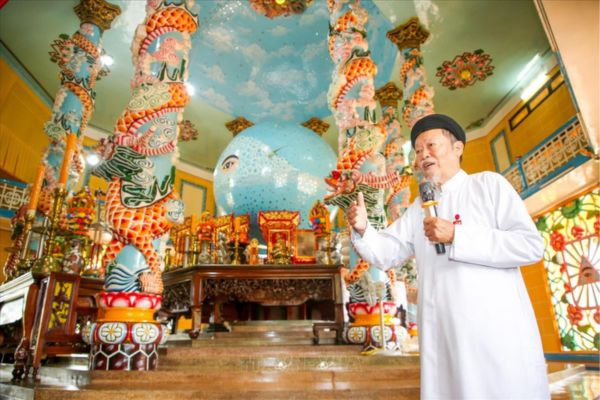
Cao Dai: Founded in southern Vietnam in 1926, Caodaism is a fascinating, relatively modern syncretic faith. It officially blends Buddhism, Taoism, Confucianism, Christianity, and Islam into one unified vietnam main religion. Their vibrant temples, featuring the “Divine Eye,” are a must-visit if you are exploring the Mekong Delta region.
A Local Guide’s Rulebook: Temples vs. Pagodas
As you execute your travel itinerary, you will visit dozens of spiritual sites. However, foreign guidebooks often translate everything as a “temple.” To navigate the vietnam main religion like a local expert, you must know the difference between a Chùa and a Đền.
-
Chùa (Pagoda): This is exclusively a Buddhist place of worship. You go here to pray to Buddha and Bodhisattvas. The atmosphere is generally quiet, filled with the scent of incense and the sound of chanting.
-
Đền (Temple): This is a place built to honor historical figures, national heroes, or local deities. For example, the famous Ngoc Son Temple on Hoan Kiem Lake in Hanoi honors a 13th-century military commander and scholars, not Buddha.
Knowing this distinction shows a deep level of cultural respect and elevates your travel experience.
Etiquette: How to Behave at Spiritual Sites
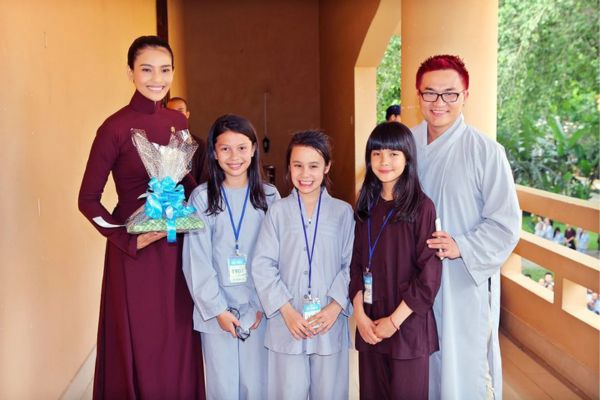
Understanding the vietnam main religion also means knowing how to act within its spaces. Whether you are stepping into a massive Buddhist pagoda or a tiny neighborhood temple, the rules of respect are absolute.
-
Dress Conservatively: This is non-negotiable. Shoulders and knees must be covered. Tank tops, shorts, and tight leggings are considered highly disrespectful. Always carry a light scarf or sarong in your daypack to wrap around yourself if needed.
-
Mind Your Feet: In Vietnamese culture, the feet are the lowest and dirtiest part of the body. When sitting inside a worship hall, never point the soles of your feet toward the altar or a statue. Tuck them underneath you or sit cross-legged.
-
Take Off Your Shoes: If you see a pile of shoes at the entrance of an indoor hall, you must remove yours.
-
Do Not Touch the Artifacts: It may seem obvious, but avoid touching statues, bells, or offering tables. Photography is generally allowed in courtyards, but avoid taking photos directly in front of people who are actively praying.
By understanding the layered complexity of the vietnam main religion, your trip will transform from a simple sightseeing tour into a deeply meaningful cultural immersion.