
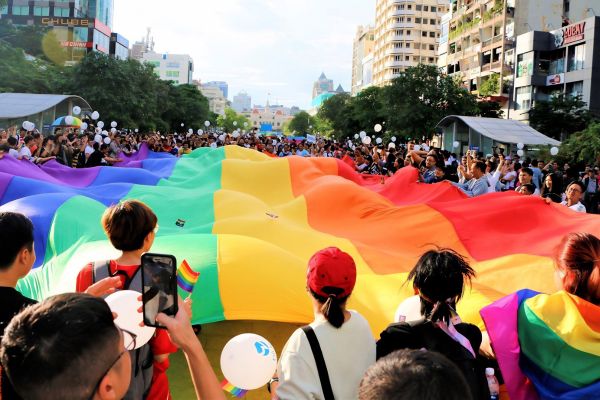
Over my years of guiding travelers across all regions of Vietnam, I have told countless stories about our history, street food, and landscapes. However, as an openly gay man living and working in this country, there is one specific topic that clients frequently ask me about. Before booking their flights, many travelers search online: is Vietnam LGBT friendly?
My answer is always a proud, yet honest, yes. The journey of the LGBTQ+ community in Vietnam has not been a loud revolution, but rather a slow, steady, and undeniable shift. Here is the reality of what it is like to travel and live in Vietnam today.
A Difficult Past vs. A Pragmatic Present
To truly understand how far we have come, you have to look at the cultural background. Vietnam is deeply influenced by traditional family values. For generations, heterosexual marriage and continuing the family line were unquestionable expectations. In the past, anyone who was “different” often lived quietly, not necessarily out of fear, but because there was simply no structural space for them.
However, things have changed dramatically. If you are wondering is Vietnam LGBT friendly from a medical and institutional standpoint, consider this recent milestone: In August 2022, the Vietnamese Ministry of Health issued a landmark official dispatch declaring that homosexuality is not an illness and strictly banning any forms of “conversion therapy”. This was a massive step forward for human rights and medical clarity in the country.
The Turning Point: Pride and Visibility
Vietnam is a forward-thinking nation that adapts quickly. The generation born in the 1990s and 2000s grew up alongside global cultural waves, entirely reshaping the local mindset.
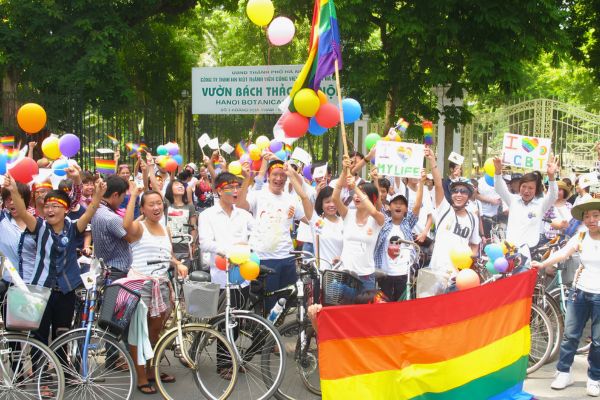
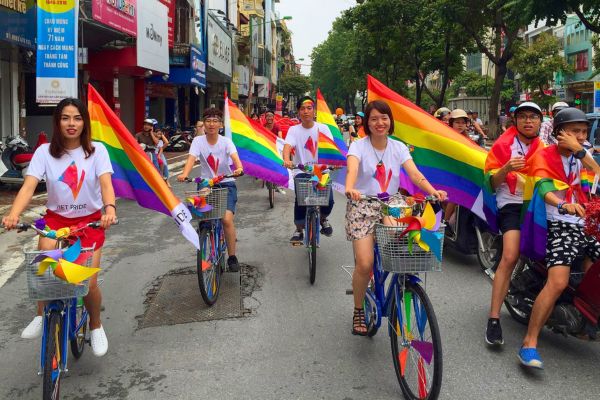
When foreign travelers ask me, is Vietnam LGBT friendly, I always point back to 2012. That year, Vietnam became the first country in Southeast Asia to hold a public Pride event (VietPride) in Hanoi, starting with a peaceful bicycle parade through the capital’s streets. Remarkably, many Pride events in Vietnam operate smoothly without government prohibition, which sends a strong, unofficial signal of tolerance.
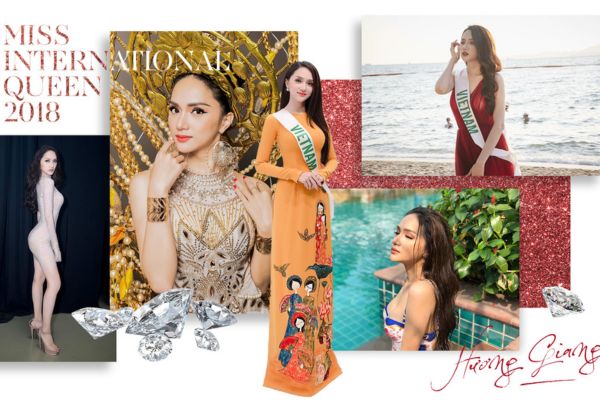
Today, visibility is natural. We have mainstream inspiring figures like Hương Giang (crowned Miss International Queen 2018) and Lynk Lee, a famous singer whose coming-out journey in 2020 was met with an overwhelming wave of public support. LGBTQ+ creators, musicians, and actors are no longer the exception on Vietnamese screens; they are part of the daily cultural fabric.
Saigon vs. Hanoi: Regional Rhythms
For tourists planning their itinerary, the answer to “is Vietnam LGBT friendly?” can vary slightly depending on whether you are in the North or the South.
Ho Chi Minh City (The South): Electric and Open
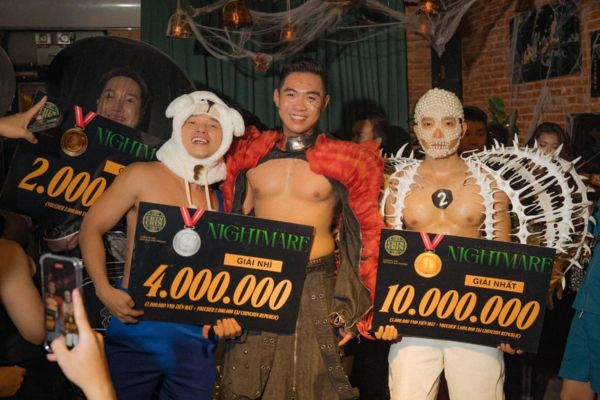
Saigon is undeniably the most vibrant LGBTQ+ hub in Vietnam. The culture here is highly expressive and open. Neighborhoods like District 1 and the Phạm Viết Chánh area host dozens of gay-friendly bars, cafés, and drag shows. Ho Chi Minh City Pride Week draws massive crowds of locals and expats alike. If you want a thriving, visible queer nightlife, Saigon is your destination.
Hanoi (The North): Traditional but Welcoming
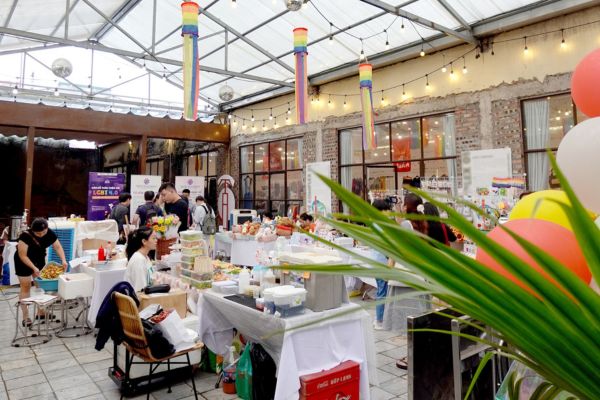
Hanoi moves at a different pace. It is more traditional, but do not mistake that for intolerance. After all, this is where VietPride began. Younger generations in Hanoi are highly open-minded, and areas like Tây Hồ (West Lake) are filled with independent, queer-friendly arts spaces and cafes. Hanoi might not be as loud as Saigon, but it offers a safe, deep, and genuinely welcoming environment once you tap into the local community.
The Legal Landscape: Same-Sex Marriage
So, from a legal perspective, is Vietnam LGBT friendly? In 2015, Vietnam’s Law on Marriage and Family officially removed the ban on same-sex marriage. While the government stopped short of providing legal recognition or marriage certificates, removing the ban was a significant, practical step.
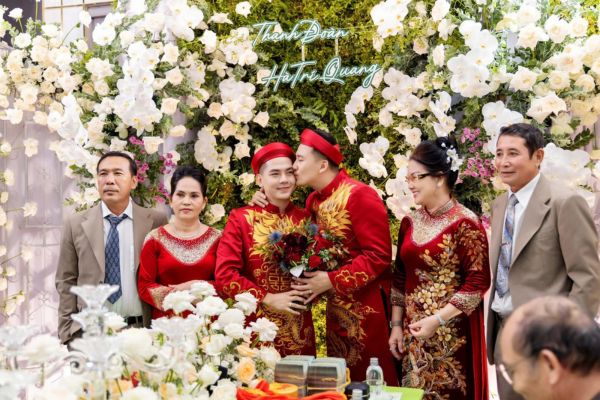
Today, same-sex couples face no legal penalties for hosting wedding ceremonies. Many couples celebrate their love openly, and local authorities generally respect these events. Currently, a younger generation of voters and lawmakers are actively pushing for full legalization, making Vietnam one of the few Asian countries keeping this debate alive in its National Assembly.
The Final Verdict
Vietnam does not change through aggressive protests; we change like a river – slowly and persistently. “Love is love” is a concept that Vietnamese people, both young and old, are increasingly embracing.
As a local guide, every time I show foreign visitors our cities or tell the stories of our community’s progress, I feel immense pride. We are on the right path. So, if anyone ever asks you, is Vietnam LGBT friendly? Tell them yes. It is a country that cherishes peace, values respect, and is steadily becoming a beautiful destination for every traveler, exactly as they are.