
If you ask most travelers what they know about Vietnam before visiting, the phrase “Is Vietnam communist” often comes up quickly. For many, it is a label shaped by history books, war movies, or fragmented headlines.
However, what you imagine and what you actually experience here are often two very different realities. The truth is, “Is Vietnam communist” is not something you will feel in the way you might expect. It is not loud, not restrictive in daily life, and certainly not the defining feature of a traveler’s experience. Instead, it quietly shapes the country’s structure, stability, and long-term direction.
As someone who lives and works here, interacting daily with both locals and international visitors, this guide will help you understand Vietnam’s political system not as a distant concept, but as something grounded in real life. This is your practical guide to understanding Vietnam communist from a local, experience-based perspective.
What Does “Is Vietnam Communist” Actually Mean?
Before diving deeper, it is important to clarify what the term really represents.
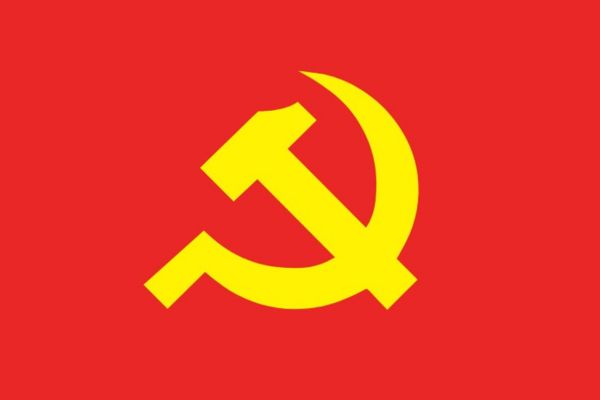
Vietnam is officially known as the Socialist Republic of Vietnam. It operates under a single-party system led by the Communist Party of Vietnam.
But here is where many people misunderstand the reality. This system does not mean that daily life revolves around politics. Most people focus on work, family, business, and personal goals, much like anywhere else in the world. The political structure exists in the background, providing national direction rather than dominating everyday conversation.
1. What is Vietnam Communist?
When people first hear the term “Is Vietnam communist”, they often imagine a system that tightly controls every aspect of life. That assumption usually comes from history books or media narratives rather than real experience. In reality, Vietnam is governed by the Communist Party of Vietnam, which sets the overall direction for the country. But what makes Vietnam unique today is not just its political structure, but how it blends that structure with a highly open, fast-moving economy.
2. Who Leads the System?
The leadership structure includes key figures such as:
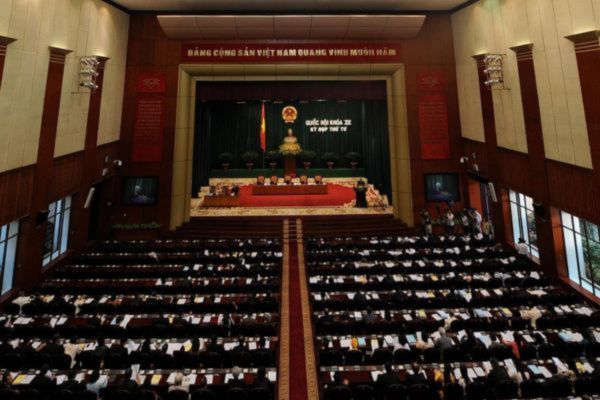
Unlike many countries where politics often revolves around a single well-known figure, Vietnam’s leadership is structured in a more collective way. There are several key roles within the system, each responsible for different aspects of governance. Instead of focusing on individual personalities, the system operates through coordination and continuity, which helps maintain long-term direction. For most locals, leadership is not something that dominates everyday conversation. It exists in the background, shaping policy and development, while daily life continues to revolve around work, family, and personal goals.
3. When Did It Begin?
The foundation of the current system dates back to 1975, following the end of the Vietnam War and the reunification of the country. For many people searching is Vietnam still a communist country, this historical moment is often the starting point for understanding modern Vietnam.
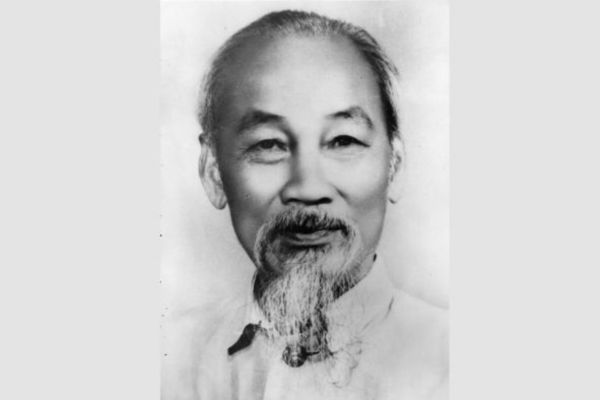
However, the Vietnam of today is very different from the image many people associate with that period. One of the biggest turning points came in 1986 with the introduction of “Đổi Mới”, a series of economic reforms that gradually opened Vietnam to global markets and international investment. Since then, the country has transformed rapidly, evolving from a largely closed economy into one of Southeast Asia’s fastest-growing and most dynamic societies.
4. Where Is It Most Visible?
If you actively search for signs connected to Is Vietnam communist, you will notice them in government buildings, national flags, and official public messaging. Yet once you step into everyday life, those symbols quickly become part of the background rather than the center of attention.
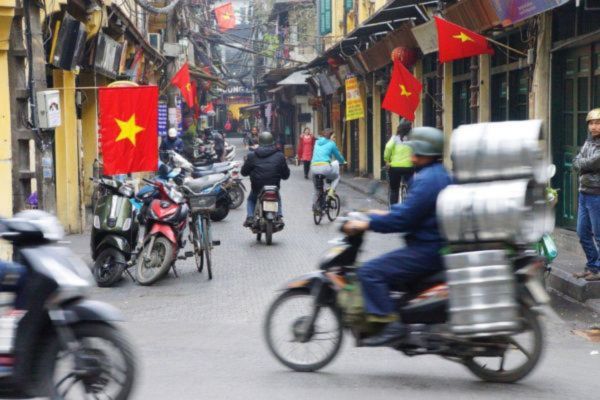
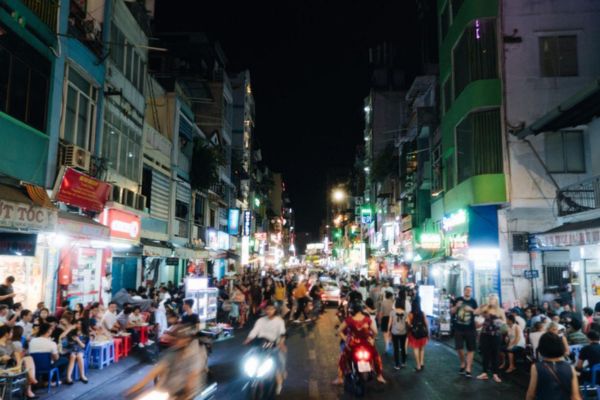
If you look for it, you will find signs of the system in government buildings, national flags, or official announcements. But once you step into everyday life, those signals quickly fade into the background. Walking through the streets of Hanoi or Ho Chi Minh City, what you notice instead is energy. Cafes filled with young people working on laptops, street vendors serving food late into the night, and a growing presence of global brands all contribute to a lifestyle that feels open and dynamic.
5. Why Does Vietnam Maintain This System?
The answer lies in stability and long-term planning.
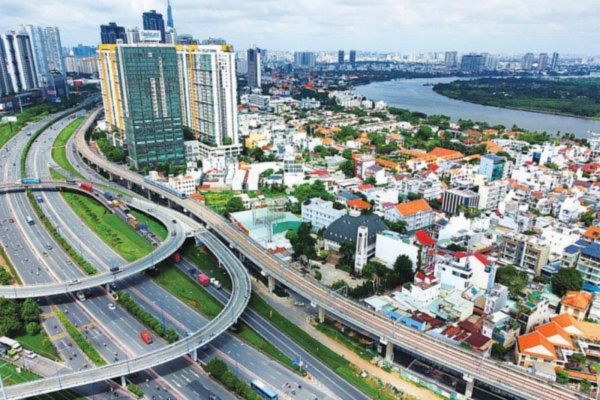
The answer becomes clearer when you look at how the country has developed over time. Rather than focusing on short-term shifts, Vietnam’s system emphasizes stability and long-term planning. This approach allows for consistent policy direction, large-scale infrastructure projects, and relatively fast implementation of national strategies. You can see the results in expanding highways, growing industrial zones, and rapidly changing city skylines. From a local perspective, many people see this stability as a key factor behind the country’s economic progress over the past few decades.
6. How Does It Affect Daily Life?
For most visitors, this is ultimately the question that matters most when asking is Vietnam still a communist country. And once they arrive, the answer often feels very different from what they expected.
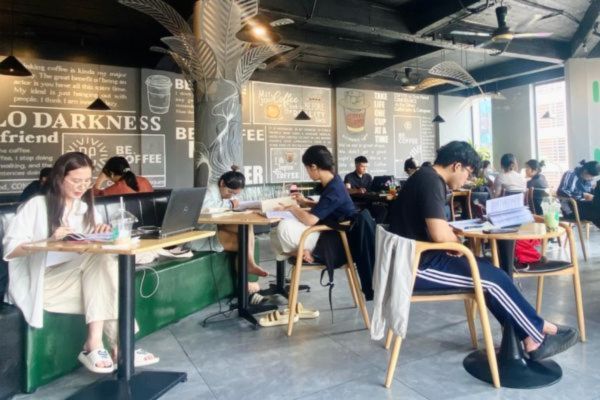
For most visitors, this is the question that matters the most. And the honest answer is: far less than you might expect. Daily life in Vietnam is active, social, and increasingly global. People travel, build businesses, use social media, and engage with international culture in ways that feel familiar to many visitors. What you experience on the surface is not restriction, but movement. Cities are constantly evolving, opportunities are growing, and the younger generation is deeply connected to global trends. If there is an impact, it is not in limiting daily life, but in shaping how the country develops behind the scenes.
The Reality vs Expectation Gap
Instead of finding the rigid atmosphere many expect when searching about Is Vietnam Communist, most travelers discover a country that feels energetic, social, and constantly evolving.
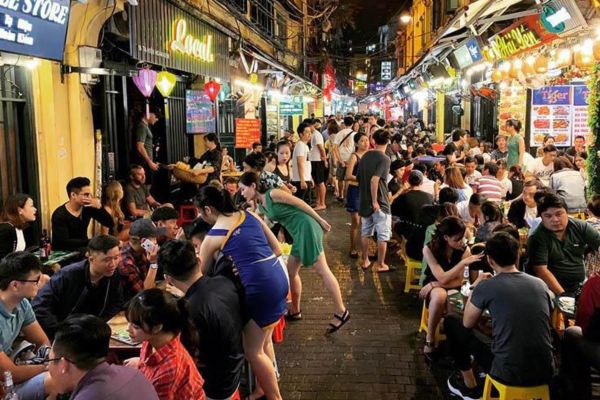
They experience bustling street food culture, a young and ambitious population, rapid urban growth, and a strong sense of community that is visible in everyday life. Very quickly, the meaning behind Is Vietnam Communist begins to change. Rather than feeling like a defining label, it becomes more of a background framework that quietly supports the country’s stability, development, and fast-moving lifestyle.
Practical Tips for Understanding Vietnam as a Visitor
If you are still wondering is Vietnam still a communist country, the better approach is not just to look for a yes or no answer, but to observe how life actually works on the ground.
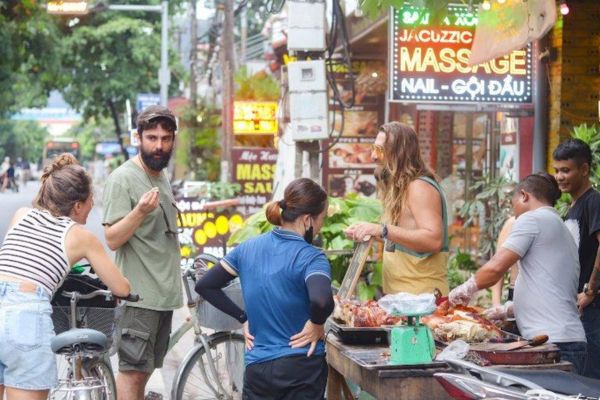
To understand Vietnam more deeply:
- Avoid assumptions shaped only by media or history
- Observe daily life instead of focusing solely on political labels
- Engage with locals through food, culture, and conversation
- Notice how dynamic and open the economic environment is
The most accurate answer to is Vietnam still a communist country is something you will feel through experience, not just read in an article.
Experience Vietnam Beyond the Headlines
Reading about is Vietnam communist gives you context. Asking is Vietnam still a communist country gives you a starting point. But walking through a crowded alley in Hanoi, hearing the constant rhythm of motorbikes, smelling grilled pork over charcoal, and watching everyday life unfold gives you real understanding.
Vietnam is not defined by a single word or system.
It is defined by its people, its energy, and its constant evolution.
If you want to move beyond surface-level answers and truly understand how modern Vietnam works, experiencing it with local insight will always give you more than any definition ever could.
You can explore our experiences and tours here: Discover Vietnam Tours & Experiences