
When mapping out a cultural itinerary for the capital, travelers are often overwhelmed by the sheer number of historical sites. Yet, consistently, one specific institution outranks massive national galleries and ancient citadels on global travel forums. If you only have time for one indoor exhibition in the capital, it must be the vietnam women’s museum.
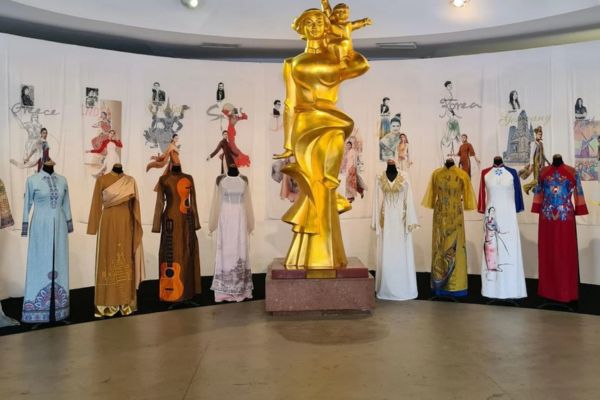
Why does this specific museum capture so much international attention? The answer lies in its approach. Instead of displaying cold military hardware or abstract political timelines, the vietnam women’s museum tells the story of the country through its most resilient, dynamic, and historically overlooked demographic: its women.
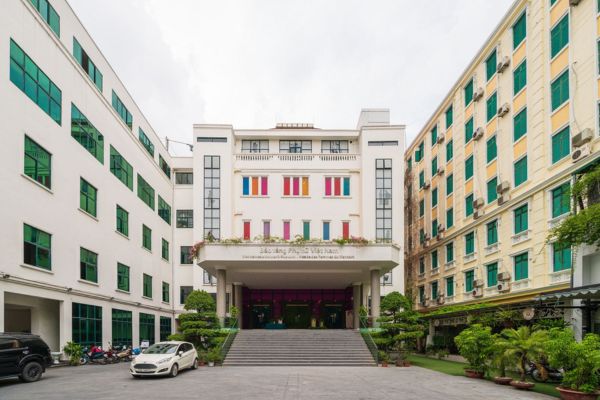
Located on the tree-lined Ly Thuong Kiet street in the French Quarter, this modern, multi-story facility peels back the layers of Vietnamese society. Here is a local expert’s breakdown of what makes the vietnam women’s museum an absolute must-visit, and how to navigate its profound exhibitions.
The Three Pillars of the Vietnam Women’s Museum
The museum is logically structured into three main thematic exhibitions, each occupying a different floor. This structure allows you to walk through the complete lifecycle, societal role, and historical impact of women in Vietnam.
1. Women in Family: The Backbone of Society
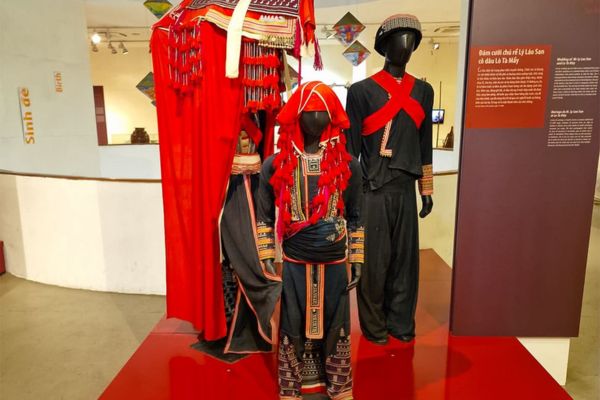
The first primary exhibition dives deep into the domestic and cultural roles of women across Vietnam’s 54 ethnic groups. Western travelers are often surprised to learn that while traditional Vietnamese society is heavily influenced by patriarchal Confucianism, several ethnic minorities in the central highlands and northern mountains are fiercely matrilineal.
In this section of the vietnam women’s museum, you will learn how marriage rituals, childbirth, and family economics are handled across different cultures. You will see intricate wedding garments from the Red Dao ethnic group alongside the traditional tools used by mothers to harvest rice and carry children. It highlights a universal truth in Vietnam: the woman is the ultimate manager of the household’s economy and survival.
2. Women in History: The “Long-Haired Army”
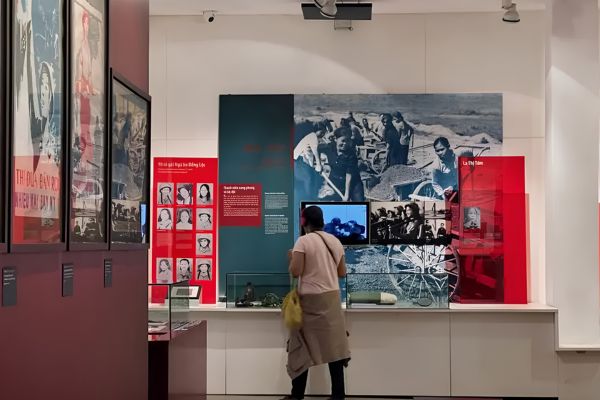
If you want to understand the wars of the 20th century, you must understand the women who fought in them. This is arguably the most powerful floor in the vietnam women’s museum.
During the Indochina and Vietnam Wars, women were not just waiting at home. They were active combatants, intelligence officers, anti-aircraft gunners, and medics operating on the Ho Chi Minh Trail. This exhibition highlights the “Long-Haired Army” (Đội quân tóc dài) – a term used to describe the female guerrilla fighters of the South.
The museum does not rely on heavy propaganda here; instead, it displays personal diaries, faded photographs, and the actual handmade weapons used by these women. You will read stories of female spies who operated under deep cover in Saigon, and mothers who lost multiple children to the conflict yet continued to organize local resistance. It is a raw, emotional, and incredibly respectful tribute to their sacrifice.
3. Women in Fashion: The Evolution of Identity
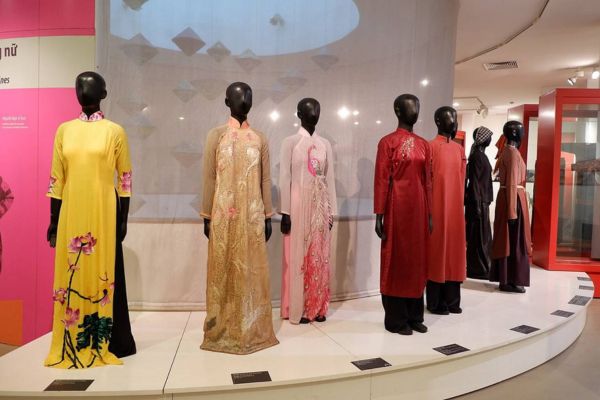
The final core section of the vietnam women’s museum is a visual feast focusing on fashion, specifically the iconic Áo Dài.
However, it goes far beyond just showcasing pretty dresses. The exhibition traces how the Áo Dài evolved from a loose, practical garment in the 19th century into a fitted, modern symbol of national identity, heavily influenced by French tailoring techniques in the 1930s. Furthermore, the fashion floor dives into the fascinating beauty standards of the past, including the ancient practice of teeth blackening (nhuộm răng đen) and the intricate, heavy silver jewelry worn by highland tribes to ward off evil spirits.
The Unsung Heroes: The Street Vendors Exhibition
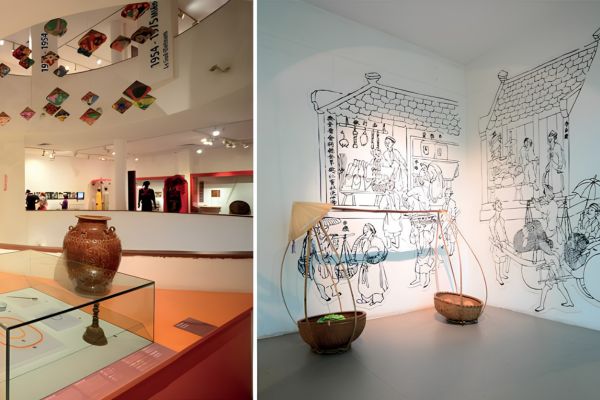
Beyond the three main pillars, the vietnam women’s museum features rotating and permanent micro-exhibitions. The most impactful of these is the dedication to Hanoi’s female street vendors.
Every day, thousands of women wake up at 3:00 AM in the rural provinces surrounding Hanoi. They load their bicycles or bamboo carrying poles (đòn gánh) with fresh produce, flowers, or hot food, and cycle miles into the city to sell their goods. This exhibition uses powerful photography and video interviews to document their daily struggles, their living conditions in the city, and their ultimate goal: sacrificing their own comfort to pay for their children’s university education. It completely changes how you will view the women selling fruit on the streets of the Old Quarter.
Practical Logistics: How to Maximize Your Visit
To get the most out of the vietnam women’s museum, you need to approach it with a plan.
-
Rent the Audio Guide: Do not skip this. The visual displays are excellent, but the English audio guide provides critical context, personal anecdotes, and historical background that is not printed on the walls. It elevates the experience from a visual tour to an immersive storytelling session.
-
Time Allocation: You should dedicate a minimum of 90 minutes to 2 hours here. The exhibitions are dense with information.
-
Location Strategy: The vietnam women’s museum is located at 36 Ly Thuong Kiet. It is extremely close to the infamous Hoa Lo Prison (The Hanoi Hilton) and Hoan Kiem Lake. A smart traveler will combine a morning visit to Hoa Lo Prison, a short walk to the Women’s Museum, and then a relaxing lunch at a nearby cafe in the French Quarter.
The Final Verdict
Unlike many institutions that simply archive the past, the vietnam women’s museum succeeds because it connects history directly to the people you see walking the streets of Vietnam today. It provides profound context to the culture, the resilience, and the quiet strength of the nation.
If you want a deeper understanding of the country before you explore its mountains and bays, this is where you start.